

Description
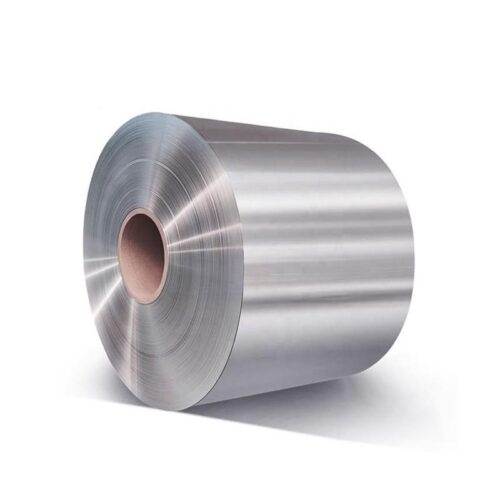
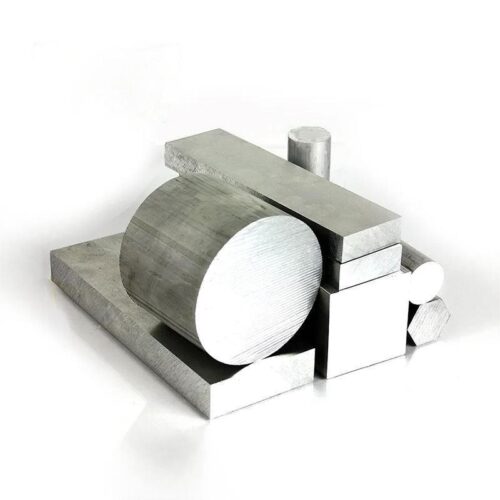
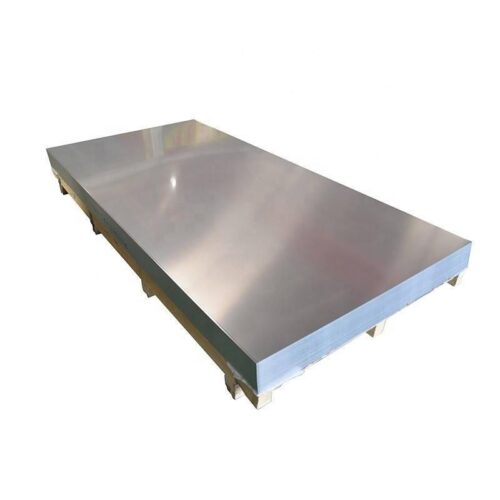
1. Material: commonly used materials are 1050, 1060, 2017, 2A12, 3003, 3A21, 5052, 5083, 5A02, 6061, 6063, 7050, 7075 and so on.
2. Surface: common anodic oxidation surface, through the electrolytic action on the surface of the aluminium tube to form an oxide film, corrosion-resistant, wear-resistant; there are also powder coating, fluorocarbon spraying surface, with good weather resistance and decorative; in addition, pickling treatment can quickly remove the surface oxidation, electrophoretic coating can increase the surface gloss and corrosion resistance.
3. Standard: The commonly used domestic standard is GB/T 4436-2012 “Aluminium and Aluminium Alloy Tubing External Dimensions and Allowable Deviation”, and there are EN 755, EN 754 and other related standards in the international arena.
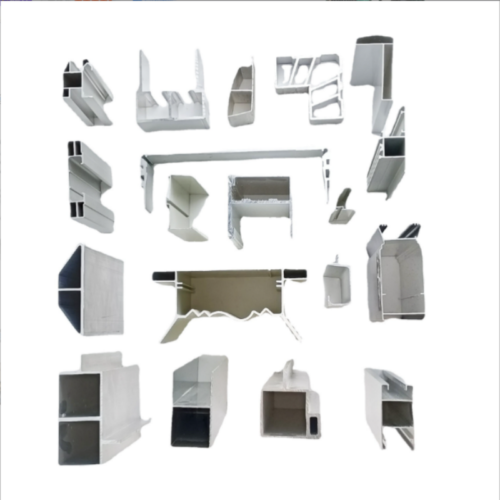
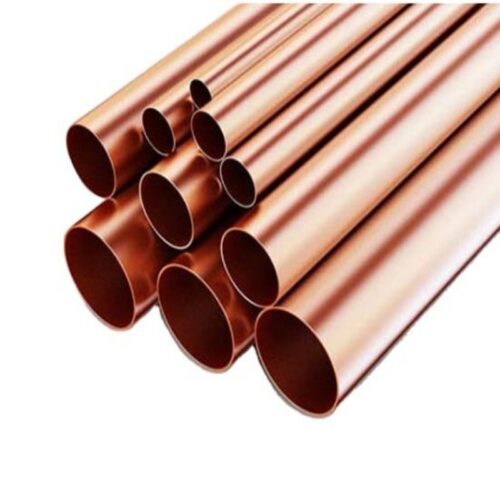
4. Size: The outer diameter of aluminium tubes usually ranges from 6-600mm, wall thickness from 0.5-50mm, and the length is usually 3-6m, and the specific size can be customized according to the customer’s demand.
5.Processing: mainly including melting, ingot casting, extrusion, drawing, annealing, surface treatment and other steps, through which aluminium tubes with different properties and surface quality can be obtained.
6.Applicable industries: Widely used in aerospace, automobile manufacturing, construction, medical, electrical, marine and other industries, such as wing beams and fuselage frames for aircraft, shock absorbers and radiators for automobiles, doors, windows and curtain walls for buildings, implants and medical equipment for medical treatment.