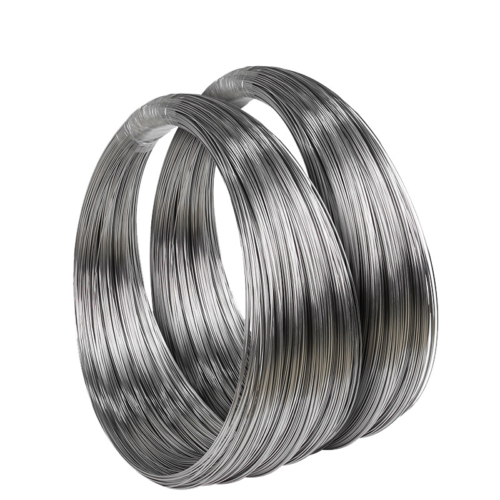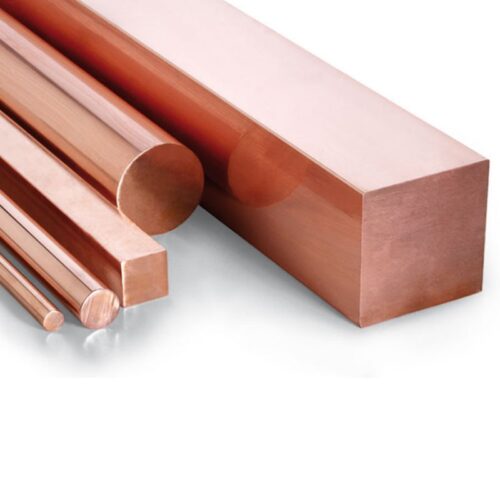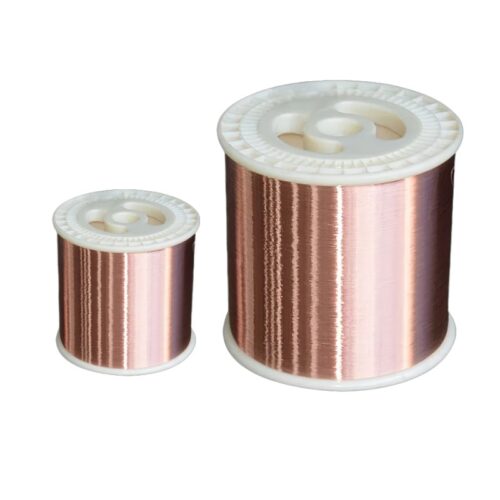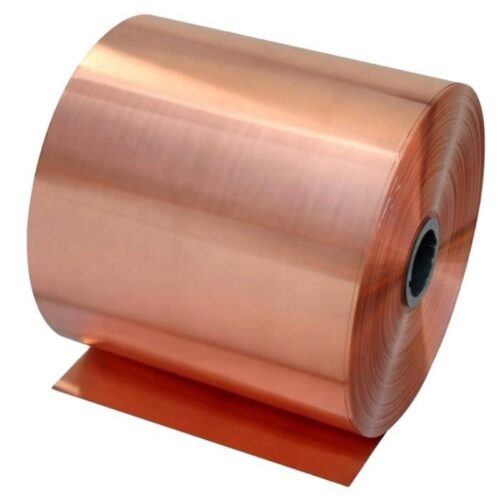


Description
1. Material: Mainstream austenitic stainless steel (304, 316L, corrosion resistance, widely used), ferritic stainless steel (430, low cost, easy to process), martensitic stainless steel (410, can be quenched and hardened, strong toughness is good); special scenarios with dual-phase stainless steel (2205, corrosion-resistant and high strength).
2. Surface: common 2B (cold rolled matte, flat and easy to process), BA (cold rolled bright, mirror base), HL (brushed surface, uniform texture and anti-scratch), 8K (mirror, highly reflective decorative); there are also pickled surface (hot rolled surface, used for industrial load-bearing), sandblasted surface (matte and rough, non-slip and wear-resistant).
3. Standard: GB/T 3280 (cold rolled stainless steel plate), GB/T 4237 (hot rolled stainless steel plate); international standard ISO 3575, Japanese standard JIS G4305, American standard ASTM A240.
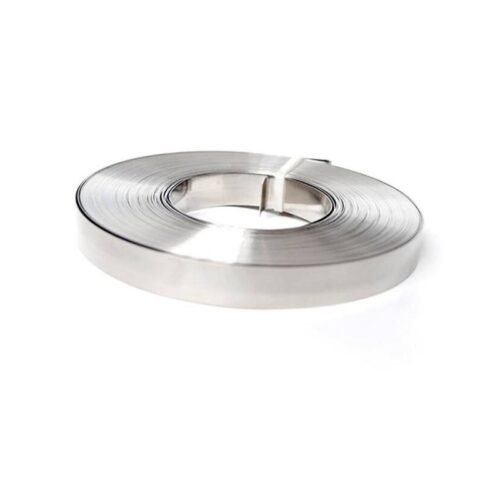
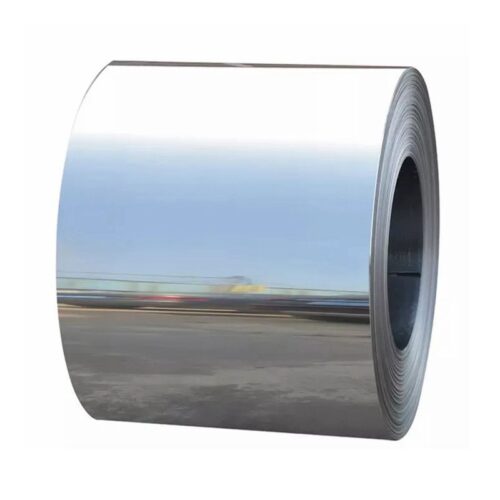
4. Dimensions: thickness 0.3-100mm (cold rolled sheet ≤ 6mm, hot rolled plate > 6mm); width 1000-2000mm (commonly used 1219mm, 1500mm); length 2000-6000mm (can be sized, flat), coil specifications with galvanised coils (inner diameter 508/610mm).
5. Processing technology: base material smelting (electric arc furnace/converter + refining, control the composition) → rolling (cold rolling/hot rolling, control the thickness) → heat treatment (solution annealing, stress relieving) → surface treatment (pickling, polishing, drawing, etc.) → finishing (cutting, flattening, to ensure precision).
6. Applicable industries: food and medical (equipment, instruments, 304/316L mainly), architectural decoration (curtain wall, balustrade, 2B/HL/8K surface), chemical industry (tanks, pipelines, 316L/duplex steel), home appliances (inner liner, outer shell, 304/430), automotive (exhaust system, decorative parts, 430/304).