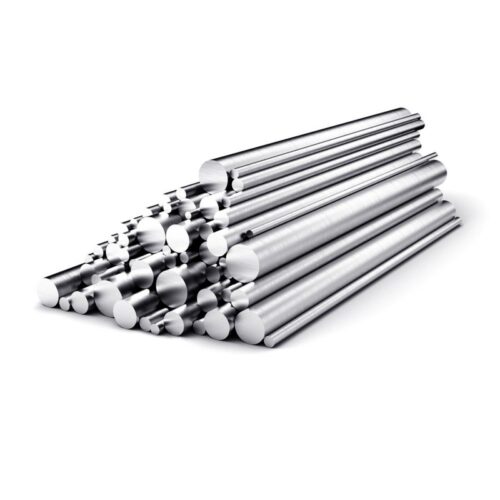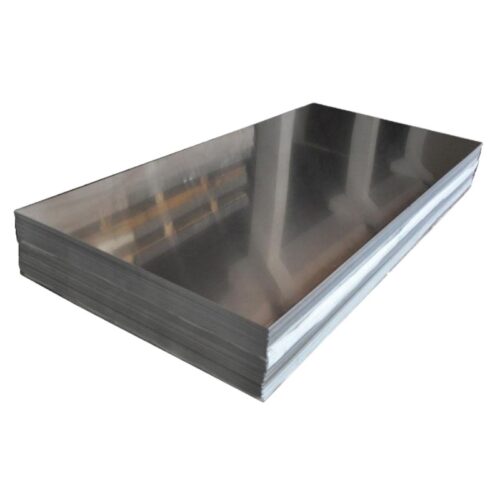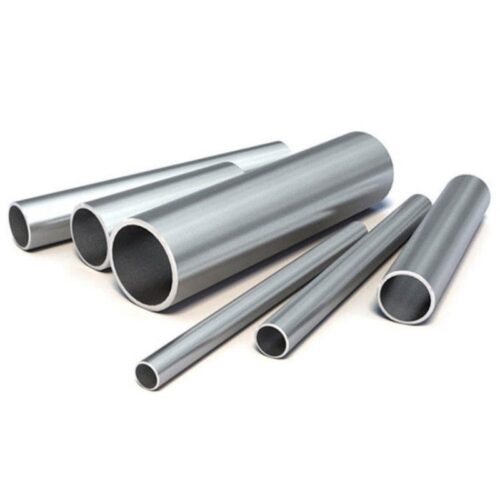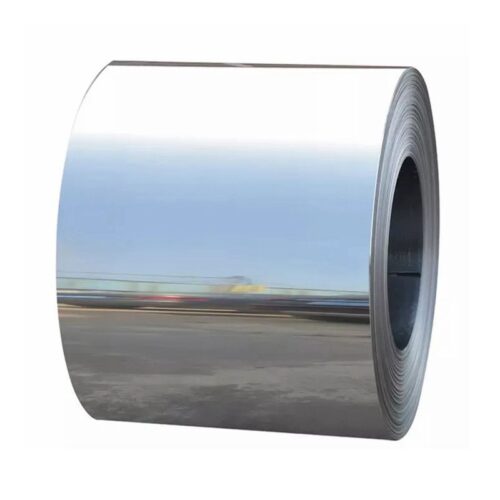


Description
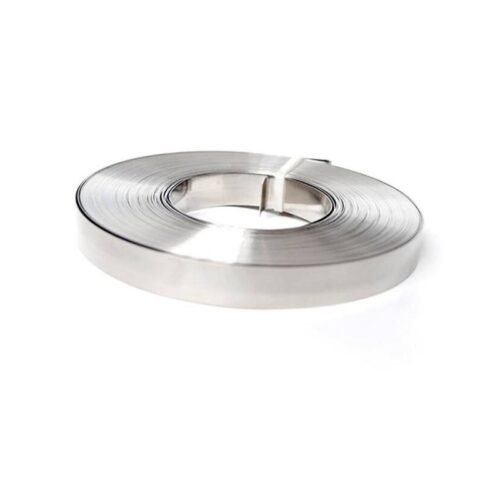
1. Material: mainstream austenitic stainless steel (304, 316L, corrosion resistance, good toughness, widely used); followed by ferritic stainless steel (430, low cost, easy to process); a small number of martensitic stainless steel (410, 420, can be quenched and hardened, high strength) and speciality stainless steel (310S, high temperature resistance, used in high-temperature scenes).
2. Surface: common bright surface (polished finish, smooth and shiny surface), matte surface (slightly brushed, no obvious reflection), pickled surface (industrial grade, greyish-white surface, retaining the basic corrosion resistance); special needs have plated surface (galvanised/nickel-plated, to enhance the specific properties), lubricated surface (coated with lubricating oil, easy to process).
3. Standard: GB/T 4240 (stainless steel wire), GB/T 29024 (precision stainless steel wire); international standard ISO 16142, Japanese standard JIS G4309, American standard ASTM A580.
4. Size: Diameter 0.015-20mm (fine steel wire <1mm, medium-coarse steel wire 1-6mm, coarse steel wire >6mm); length mostly supplied in discs (single disc weight 0.1-50kg), partially customised straight (length 0.5-3m), accuracy up to ± 0.001mm (precision wire).
5. Processing: stainless steel billet smelting → hot rolling into bars → cold drawing (multiple drawing to reduce the diameter, control the dimensional accuracy) → heat treatment (solution annealing, to eliminate internal stresses, improve toughness) → surface treatment (pickling, polishing, plating) → finishing (straightening, cutting / coiling) → inspection (size, corrosion resistance test) → packaging.
6. Applicable industries: textile industry (weaving nets, reeds, 304/430 wire), medical industry (surgical sutures, instrument parts, 316L wire), hardware industry (springs, fasteners, steel wire ropes, 410/304 wire), electronics industry (precision contacts, leads, ultra-fine 304 wire), filtration industry (cartridges, filters, 304/316L wire).