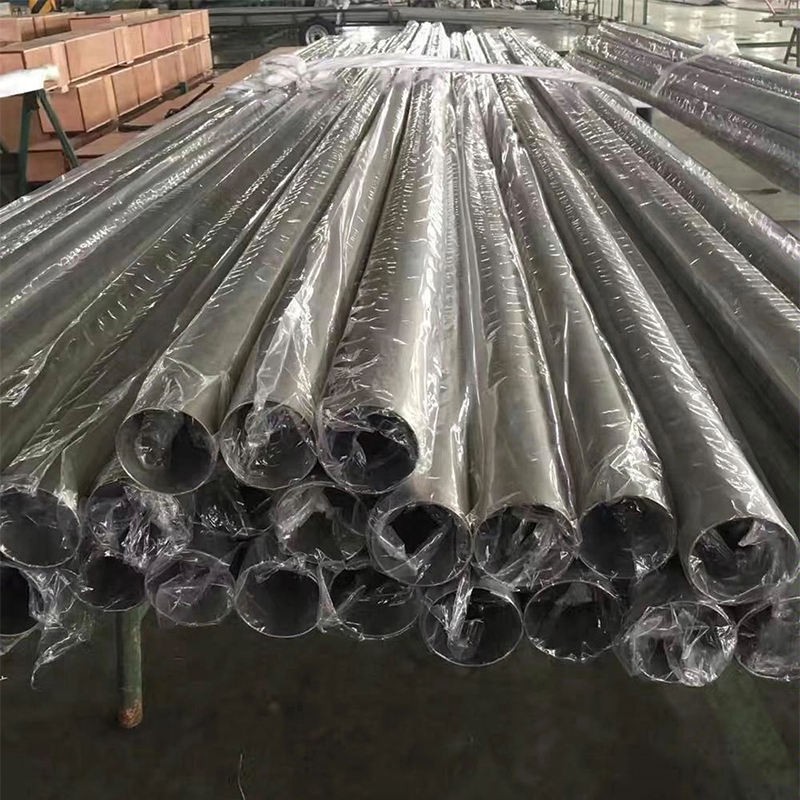
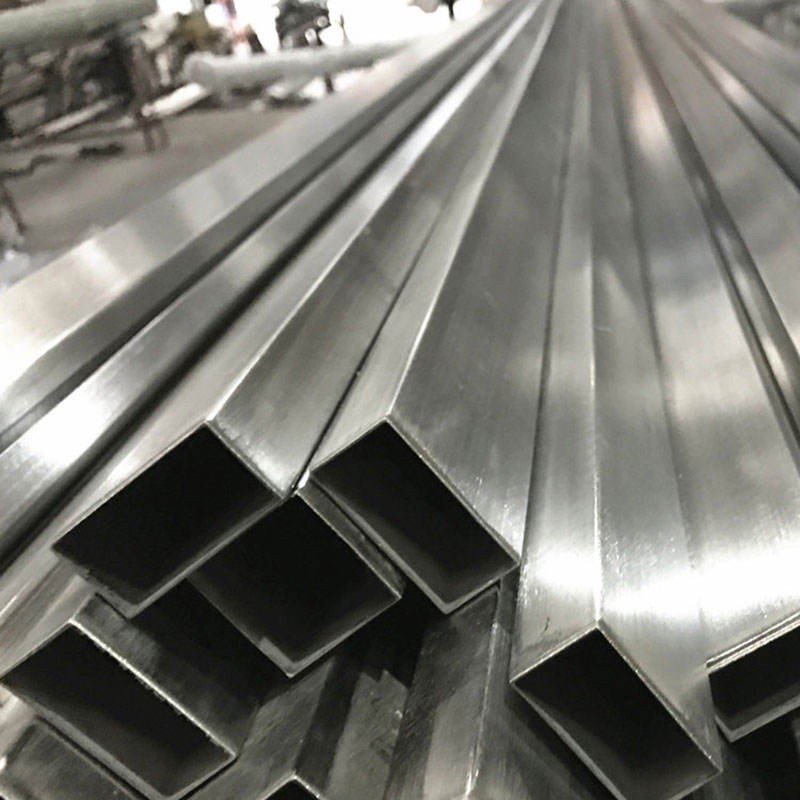

Description
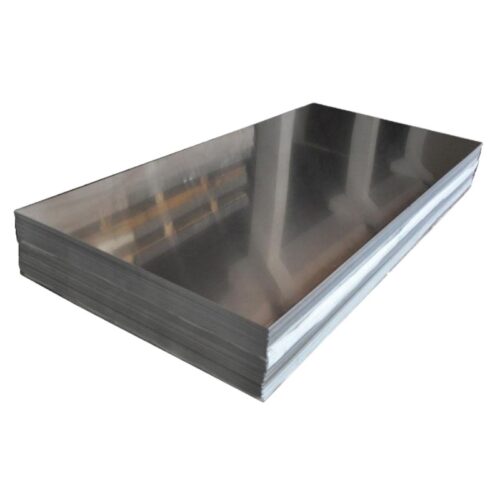
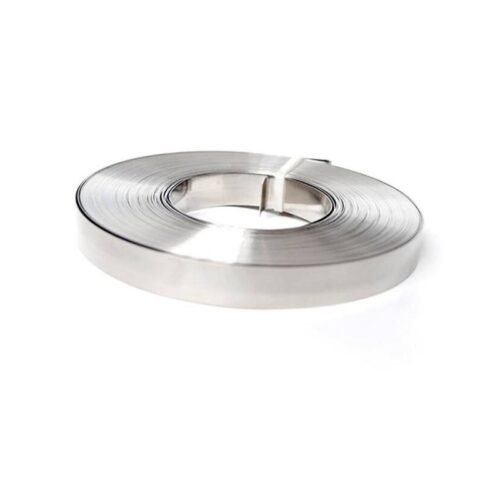
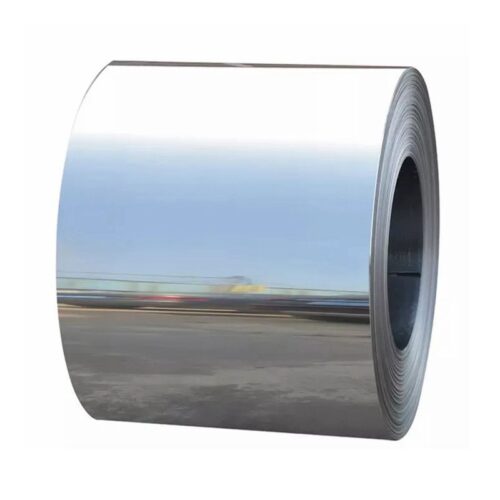
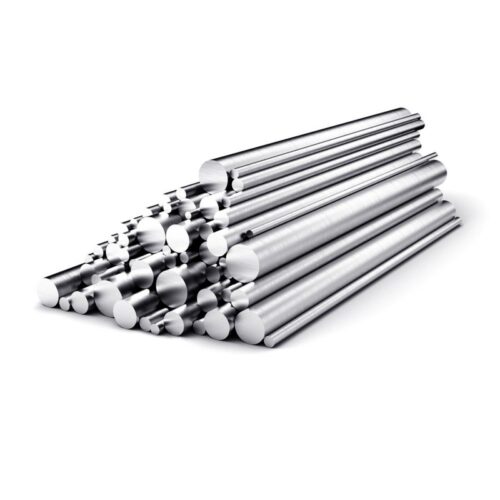
1. Material: Mainstream austenitic stainless steel (304, 316L, corrosion resistance, good toughness, widely used); followed by ferritic stainless steel (430, low cost, good temperature resistance); a small number of martensitic stainless steel (410, can be quenched and hardened, high strength) and dual-phase stainless steel (2205, corrosion resistance + high strength, used in harsh working conditions).
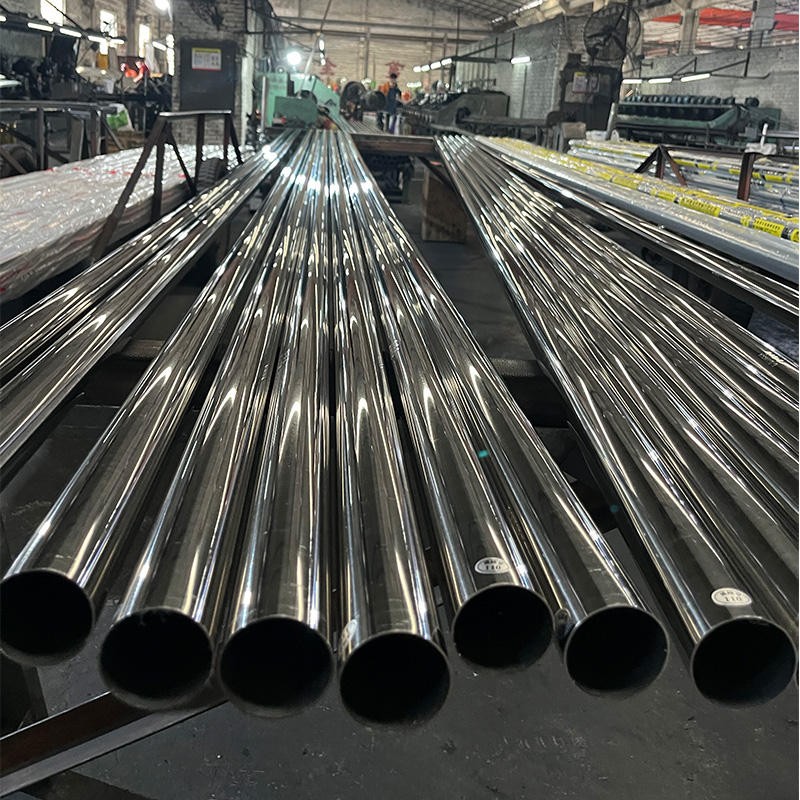
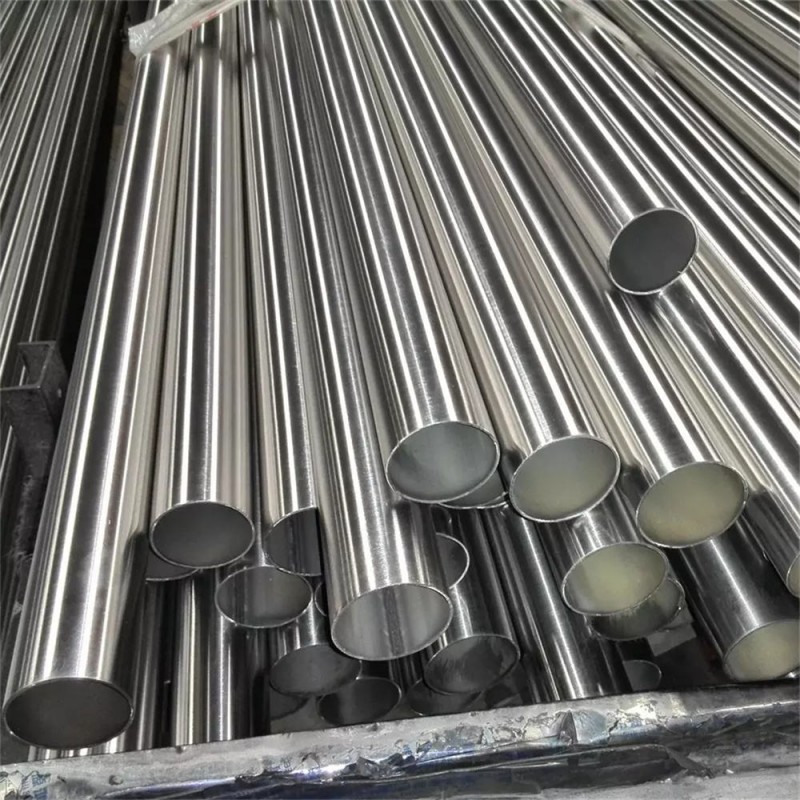
2. Surface: common brushed surface (uniform texture, scratch-resistant and wear-resistant), polished surface (mirror/matte, decorative), pickled surface (industrial grade, greyish-white surface, retaining the oxide film); special scenarios with a sandblasted surface (non-slip matte), passivated surface (to enhance corrosion resistance, no obvious gloss).
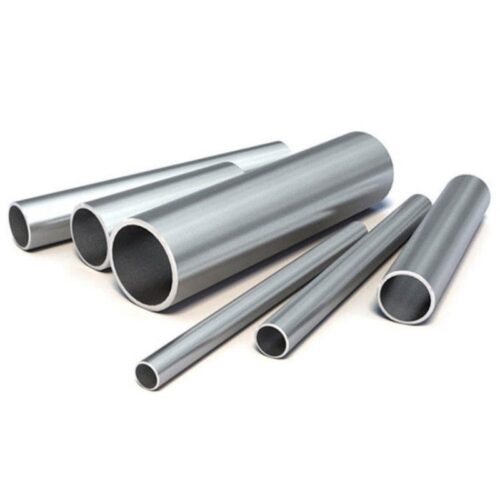
3. Standard: GB/T 14976 (stainless steel pipe for fluid transmission), GB/T 3091 (stainless steel welded pipe for low-pressure fluid transmission); international standard ISO 1127, Japanese standard JIS G3459, American standard ASTM A312/A269.
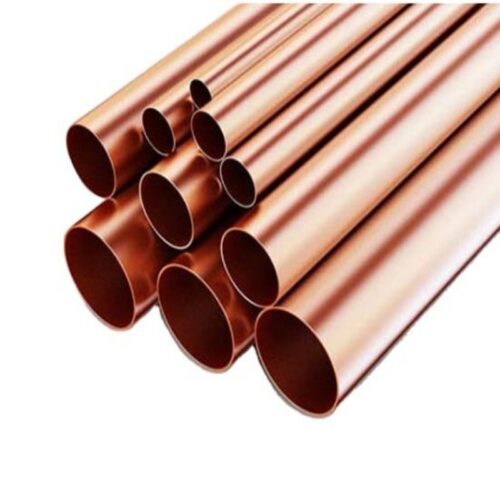
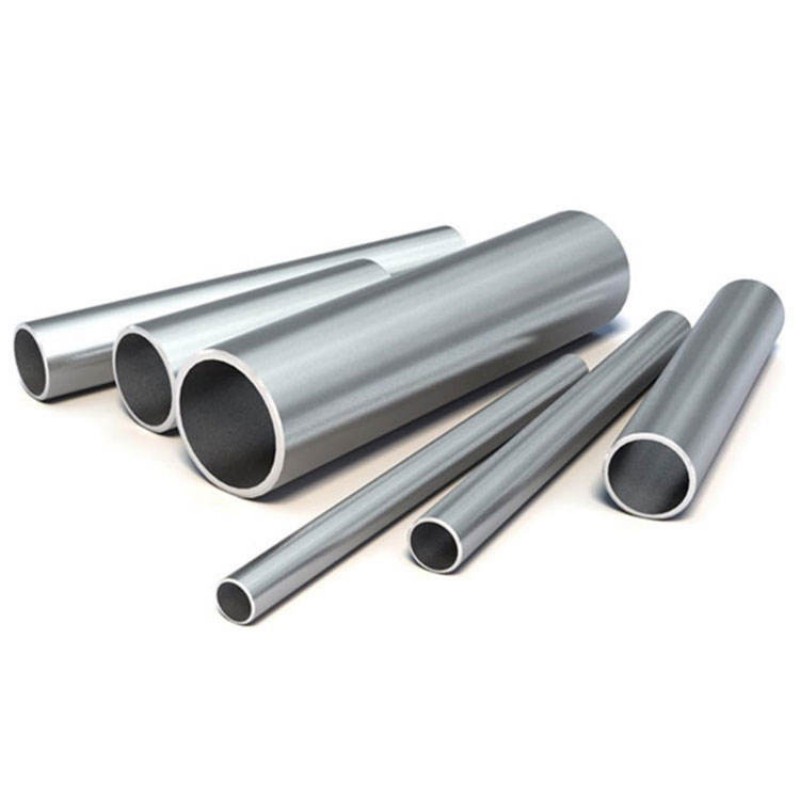
4. Dimensions: Outside diameter 6-630mm (small tube <50mm, medium tube 50-200mm, large tube >200mm); wall thickness 0.5-20mm; length of 6m fixed size, can be customised 3-12m, part of the thin-walled tube can be supplied in coils.
5. Processing technology: base material smelting → forming (seamless pipe: piercing + cold rolled / hot rolled; welded pipe: steel strip coiled round + welded) → heat treatment (solution annealing, stress relieving) → surface treatment (pickling, polishing, drawing) → flaw detection (ultrasonic / eddy current detection to ensure that there are no defects) → cutting, chamfering → packaging.
6. Applicable industries: food and medical treatment (water/fluid pipeline, 304/316L pipe), building decoration (guardrail, staircase handrail, 304 brushed pipe), chemical industry (acid and alkali conveying pipe, 316L/duplex pipe), municipal engineering (water supply pipeline network, 304 welded pipe), machinery manufacturing (equipment pipeline, 430/304 pipe).